Maintenance That Keeps Vehicles Running
Commercial and Fleet Service Support in Cleveland for businesses needing consistent maintenance schedules across multiple work vehicles
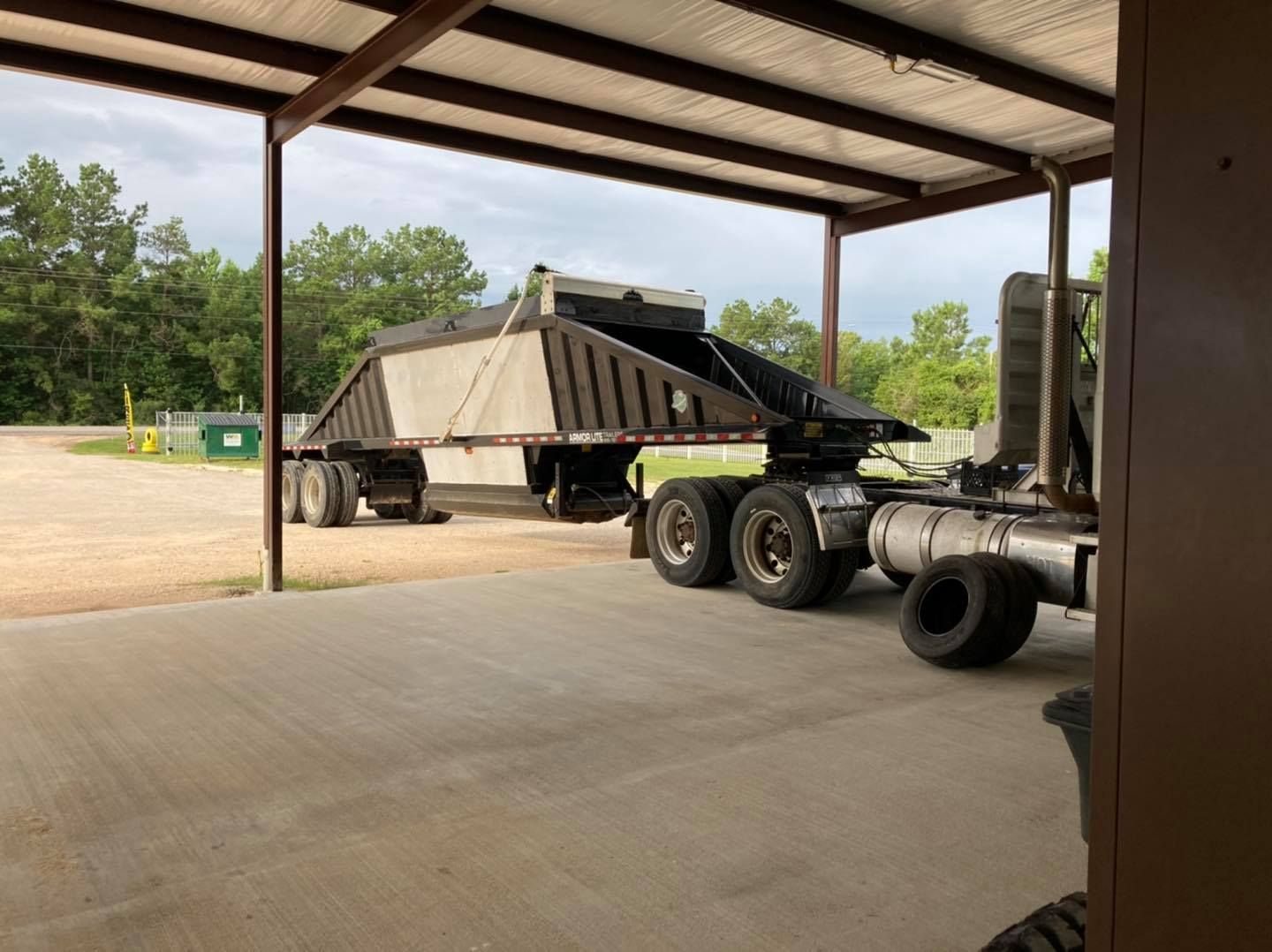
Fleet downtime costs more than just repair bills—it delays job completion, forces rescheduling, and leaves clients waiting while a vehicle sits in a shop instead of generating revenue. Bulldog Tire LLC provides commercial and fleet service support for local companies, ranches, and service providers operating multiple trucks and work vehicles across Southeast Texas. When maintenance happens on a planned interval rather than in response to breakdowns, you replace components before they fail during a job, and you schedule work during off-hours or slow periods instead of losing a full day to emergency repairs that could have been prevented with routine inspection.
Fleet service programs establish regular intervals for oil changes, tire rotations, brake inspections, and fluid checks based on mileage or calendar time, whichever arrives first for each vehicle in the rotation. Records track which trucks are due for service and what work was completed previously, preventing missed intervals and identifying patterns—if one vehicle consistently needs brake work sooner than others, it signals either driver behavior or a problem with how that truck is being loaded or operated.
Set up a fleet service plan that schedules maintenance around your operational calendar and vehicle usage patterns.
What Consistent Fleet Maintenance Prevents
Scheduled service catches wear before it progresses to failure, replacing brake pads when friction material still remains rather than waiting until metal backing plates contact rotors and require both pads and rotor replacement. Oil analysis reveals contamination or metal particles that indicate internal engine wear, allowing you to address problems during planned service windows instead of dealing with catastrophic failure in the field. Tire inspections identify uneven wear that signals alignment or suspension issues, correcting the underlying problem before new tires are destroyed prematurely.
After fleet vehicles enter a consistent maintenance rotation, you'll see fewer roadside breakdowns and emergency repair calls because components are replaced on a schedule that anticipates wear rather than reacting to it. Fuel efficiency remains stable instead of degrading gradually as dirty air filters restrict airflow or low tire pressure increases rolling resistance. Vehicle lifespan extends when fluids are changed before they break down and lose protective properties, preventing accelerated wear on engines, transmissions, and differentials that would otherwise require expensive rebuilds or replacement.
Priority scheduling for established fleet clients means your trucks get serviced during agreed-upon time slots rather than waiting for availability, and bulk service pricing reduces per-vehicle costs compared to one-off appointments. Documentation of completed maintenance supports warranty claims and provides records for resale or trade-in evaluation.
What Fleet Managers Usually Ask
Companies managing multiple vehicles in Cleveland want to understand how fleet service differs from standard automotive maintenance and what efficiencies can be gained.
What services should be included in a basic fleet maintenance plan?
Oil and filter changes, tire rotation and pressure checks, brake inspections, fluid level verification, and safety inspections cover the routine needs that prevent most unexpected failures, with additional services added based on vehicle age and usage intensity.
How does service scheduling work for vehicles with different usage patterns?
Mileage-based intervals work for high-use vehicles while calendar-based schedules suit trucks that sit idle frequently, and combining both approaches ensures no vehicle goes too long between services regardless of how it's operated.
Why do fleet programs reduce total maintenance costs compared to individual service?
Bulk scheduling reduces labor inefficiencies, parts can be ordered in quantity for lower per-unit costs, and planned maintenance prevents the premium charges associated with emergency or after-hours repairs when a vehicle breaks down unexpectedly.
When should vehicles be taken out of service rather than repaired again?
When repair costs exceed fifty to sixty percent of the vehicle's remaining value, or when the same system requires repeated repairs within a short period, replacement becomes more economical than continued maintenance on equipment that's reached the end of its service life.
What documentation gets provided for fleet service work?
Service records include date, mileage, work performed, parts replaced, and technician notes for each vehicle, creating a maintenance history that supports warranty claims and helps predict future service needs based on wear patterns.
Bulldog Tire LLC supports commercial fleets and business vehicles throughout Southeast Texas with scheduled maintenance programs designed to reduce downtime and extend vehicle lifespan. Call (832) 599-9926 to discuss fleet service options based on your vehicle count and operational requirements.