Engine Protection for High-Demand Driving
Oil Change Services in Cleveland for vehicles operating in demanding conditions, high-mileage use, and commercial applications
Oil breaks down from heat, combustion byproducts, and time, losing its ability to lubricate moving parts, suspend contaminants, and transfer heat away from critical engine components. When oil changes get delayed, sludge forms, wear accelerates, and fuel efficiency drops as the engine works harder against increased internal friction. Bulldog Tire LLC performs oil changes in Cleveland using oil types matched to vehicle specifications and usage patterns, whether that's synthetic for turbocharged engines, high-mileage formulations for older vehicles, or conventional oil for standard applications.
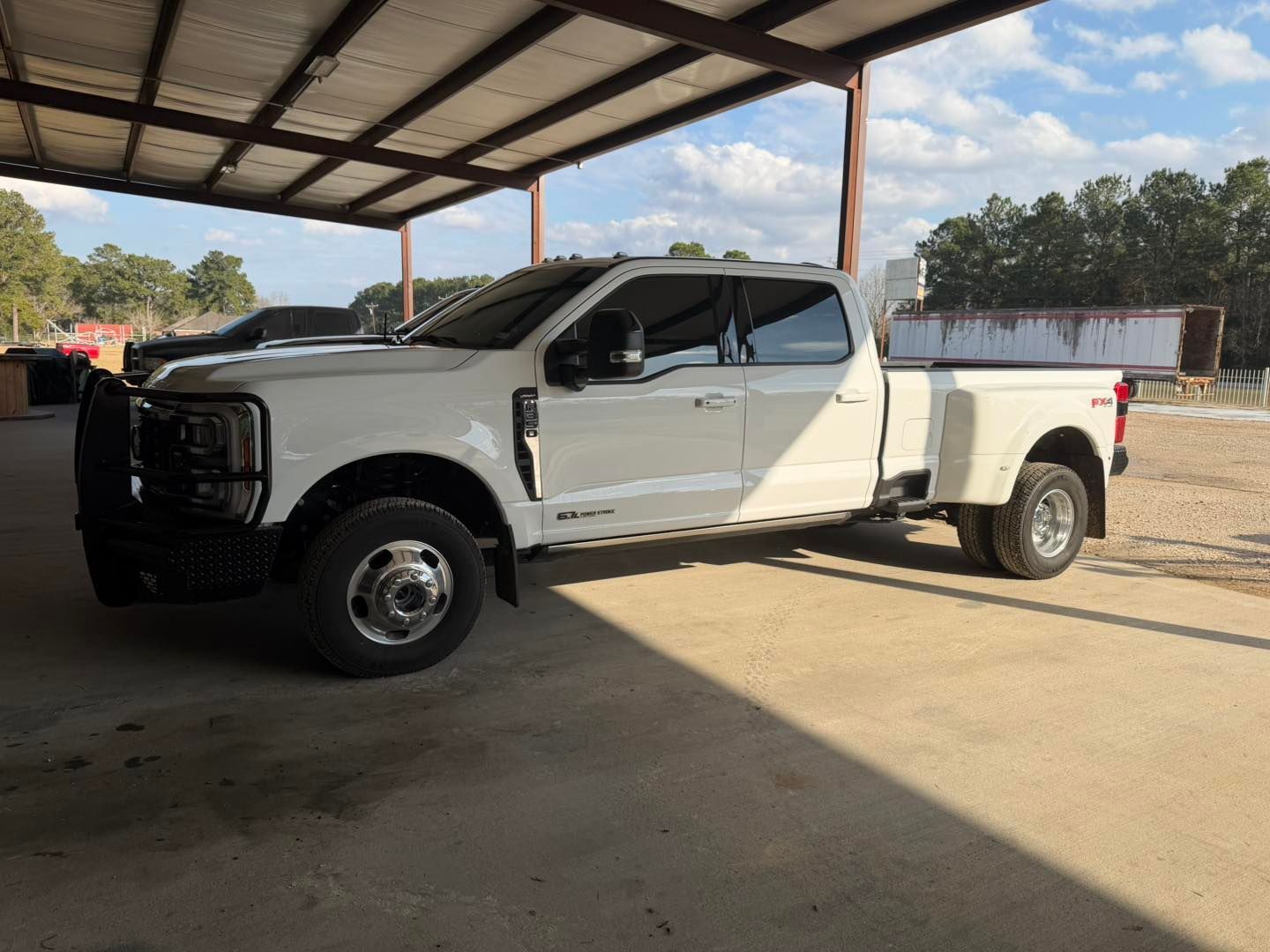
The service drains contaminated oil, replaces the filter to remove circulating debris, and refills with fresh oil that meets manufacturer viscosity requirements. Work trucks operating in hot conditions or hauling loads benefit from shorter change intervals than manufacturer minimums suggest, since demanding use degrades oil faster than light-duty driving.
Book routine oil changes based on your mileage patterns and vehicle usage to maintain lubrication quality before wear begins.
How Oil Change Timing Affects Engine Longevity
Fresh oil maintains a protective film between metal surfaces, prevents corrosion during sitting periods, and carries heat away from pistons and bearings. Oil selection depends on engine design—older engines with larger tolerances often run better on conventional oil, while modern engines with tighter clearances require synthetic formulations that flow properly at startup and resist thermal breakdown under load.
After an oil change, the engine runs quieter during cold starts, operates at lower temperatures under load, and responds more smoothly during acceleration. Clean oil visible on the dipstick confirms proper fill level, and a new filter ensures contaminants get captured rather than recirculated through bearings and valve train components.
Change intervals vary by driving type—frequent short trips where engines don't reach full operating temperature create more condensation and contamination than highway miles. Fleet vehicles and work trucks benefit from oil analysis that tracks wear metals and contamination levels, identifying developing problems before they cause failures and allowing interval adjustments based on actual oil condition rather than generic mileage estimates.
Common Questions About This Service
Vehicle owners in Southeast Texas often ask about oil type selection, change frequency, and how usage affects service timing.
What determines which oil type a vehicle needs?
Engine design, operating temperature, and manufacturer specifications dictate viscosity and formulation. Turbocharged engines generate higher heat and typically require synthetic oil that resists breakdown, while naturally aspirated engines in moderate climates often perform well with conventional oil if changed regularly.
How does towing or hauling affect oil change intervals?
Heavy loads increase engine operating temperature and stress, which accelerates oil degradation. Vehicles used for towing or commercial work should follow severe-duty service schedules—often half the interval recommended for light-duty use—to prevent wear from oil that's lost its protective properties under sustained high temperatures.
Why does oil turn dark between changes?
Dark oil indicates it's suspending combustion byproducts and contaminants as designed, keeping them from settling on engine surfaces. Color alone doesn't determine oil condition—breakdown occurs when additives deplete and viscosity changes, which isn't visible but happens at predictable mileage intervals based on driving conditions.
When should high-mileage oil be used?
Engines beyond seventy-five thousand miles often develop minor seal seepage and ring wear that allows oil consumption. High-mileage formulations include seal conditioners that reduce leaks and additives that minimize consumption, extending engine life without requiring teardown for seal replacement.
How quickly can oil service be completed in Cleveland?
Most oil changes at Bulldog Tire LLC are completed within thirty minutes, allowing work truck operators and daily commuters to maintain service schedules without extended downtime. The process includes drain, filter replacement, refill, and a visual inspection of fluid levels and obvious leaks.
Staying consistent with oil changes prevents the kind of sludge buildup and wear that leads to expensive engine repairs. Bulldog Tire LLC tracks service history to recommend appropriate intervals based on how your vehicle is actually used, not just generic mileage guidelines. Call (832) 599-9926 to set up regular maintenance appointments that keep engines protected.