Preventative Service That Identifies Issues Early
Routine Maintenance in Cleveland for commercial fleets, high-mileage vehicles, and daily drivers requiring consistent service schedules
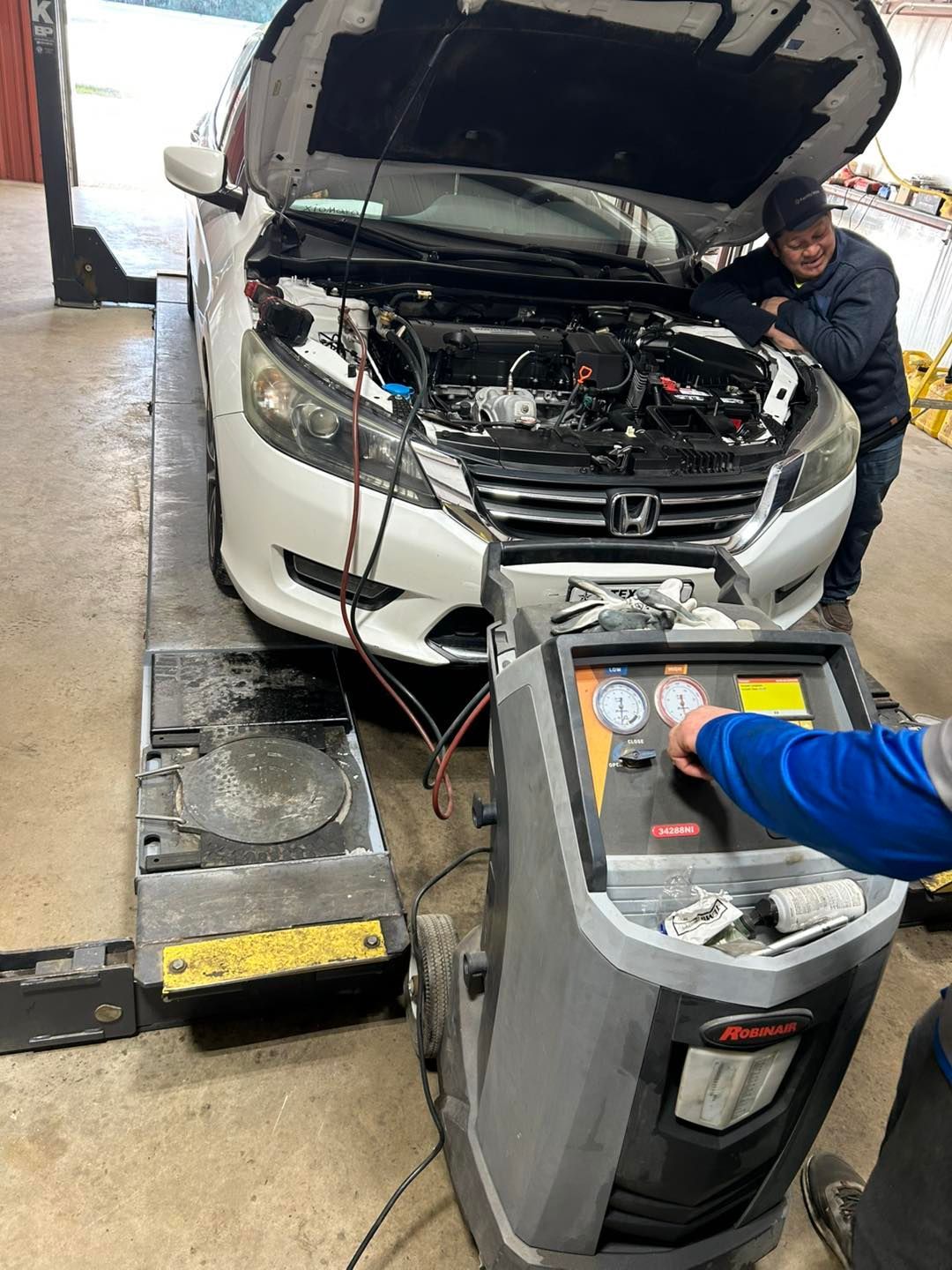
Vehicles develop problems gradually—hoses crack, fluids degrade, filters clog, and components wear in patterns that only become obvious during systematic inspections rather than waiting for failure symptoms to appear. Routine maintenance at Bulldog Tire LLC includes scheduled service checks for key systems based on mileage intervals and usage demands, identifying worn belts, low fluid levels, and developing leaks before they strand you on the roadside or turn a small repair into an expensive breakdown. Commercial vehicles and work trucks benefit most from preventative schedules that catch issues during planned service rather than unplanned downtime that delays jobs and creates emergency repair costs.
Inspection processes evaluate fluid condition and levels, test battery and charging system performance, check belt tension and surface condition, measure brake pad thickness, inspect tire tread depth and pressure, and look for leaks or damage that indicate approaching failures. Service tasks are prioritized based on what's needed now versus what can wait, allowing you to budget repairs and avoid surprise expenses from deferred maintenance that eventually forces simultaneous multi-system repairs.
Stay current with maintenance intervals by scheduling inspections that identify service needs before components fail and affect vehicle reliability.
Why Preventative Inspections Work for Rural Driving
Systematic inspections measure component wear against known replacement thresholds, catching belts before they snap, hoses before they burst, and fluids before contamination causes damage. Vehicles operating on rural routes in Southeast Texas encounter dust that clogs filters faster, temperature swings that stress cooling systems, and road conditions that accelerate suspension wear compared to urban highway driving with smooth pavement and frequent service access.
After maintenance service, you notice smoother operation, consistent starting, and confidence that critical systems have been checked and addressed. Fluids topped off or replaced maintain proper lubrication and cooling, fresh filters ensure airflow and fluid cleanliness, and worn components identified during inspection can be replaced on your schedule rather than when they fail unexpectedly miles from service facilities.
Maintenance schedules adapt to vehicle use—fleet trucks accumulating miles quickly need more frequent inspections than passenger vehicles driven occasionally, and severe-duty service intervals apply to vehicles towing, hauling, or operating in dusty conditions. Tracking service history reveals patterns that predict future needs, allowing parts ordering and repair scheduling that minimizes vehicle downtime for commercial operators who depend on reliable transportation daily.
Common Questions About This Service
Fleet managers and individual vehicle owners in Cleveland often ask about maintenance frequency, what gets inspected, and how usage affects service intervals.
What systems are checked during routine maintenance?
Inspections typically include fluid levels and condition for engine oil, coolant, brake fluid, and power steering fluid; battery voltage and terminal condition; belt wear and tension; tire tread depth and pressure; brake pad thickness; and visible leaks or damage to hoses, lines, and suspension components.
How does heavy-duty use change maintenance intervals?
Vehicles used for towing, hauling, or frequent short trips operate under severe-duty conditions that accelerate fluid breakdown, increase engine wear, and stress cooling systems beyond normal-duty driving. Severe-duty schedules often require service at half the mileage intervals recommended for light use, preventing failures from components stressed beyond standard replacement timelines.
Why inspect vehicles that aren't showing problems?
Many failures develop gradually without obvious symptoms until the component is completely worn—belts crack internally before snapping, coolant degrades before boiling over, and brake pads wear to backing plates before grinding becomes audible. Inspections identify wear while components still function, allowing planned replacement before failure creates secondary damage or leaves you stranded.
When should maintenance schedules be adjusted for Southeast Texas conditions?
Dust, heat, and humidity common in this region clog air filters faster, accelerate coolant degradation, and promote corrosion in brake and fuel systems. Vehicles operating here benefit from inspections that check filter restriction, coolant condition, and underbody corrosion more frequently than manufacturer intervals designed for average national conditions assume.
How does Bulldog Tire LLC track service history?
Maintenance records document service dates, mileage, work performed, and recommendations for upcoming needs, creating a timeline that predicts when components will require attention. For fleet vehicles, tracking allows scheduling that prevents multiple trucks needing service simultaneously and identifies patterns indicating specific vehicles need different intervals based on how they're used.
Consistent maintenance prevents the expensive repairs that result from deferred service and accumulated wear. Bulldog Tire LLC tailors inspection schedules to match how your vehicles are actually used, whether that's commercial fleet operation or personal daily driving. Call (832) 599-9926 to establish a maintenance schedule that keeps vehicles reliable and identifies issues before they create downtime.