Control That Holds Up on Rural Roads
Suspension and Steering Repair in Cleveland for vehicles pulling left, experiencing uneven tire wear, or struggling with rough road handling
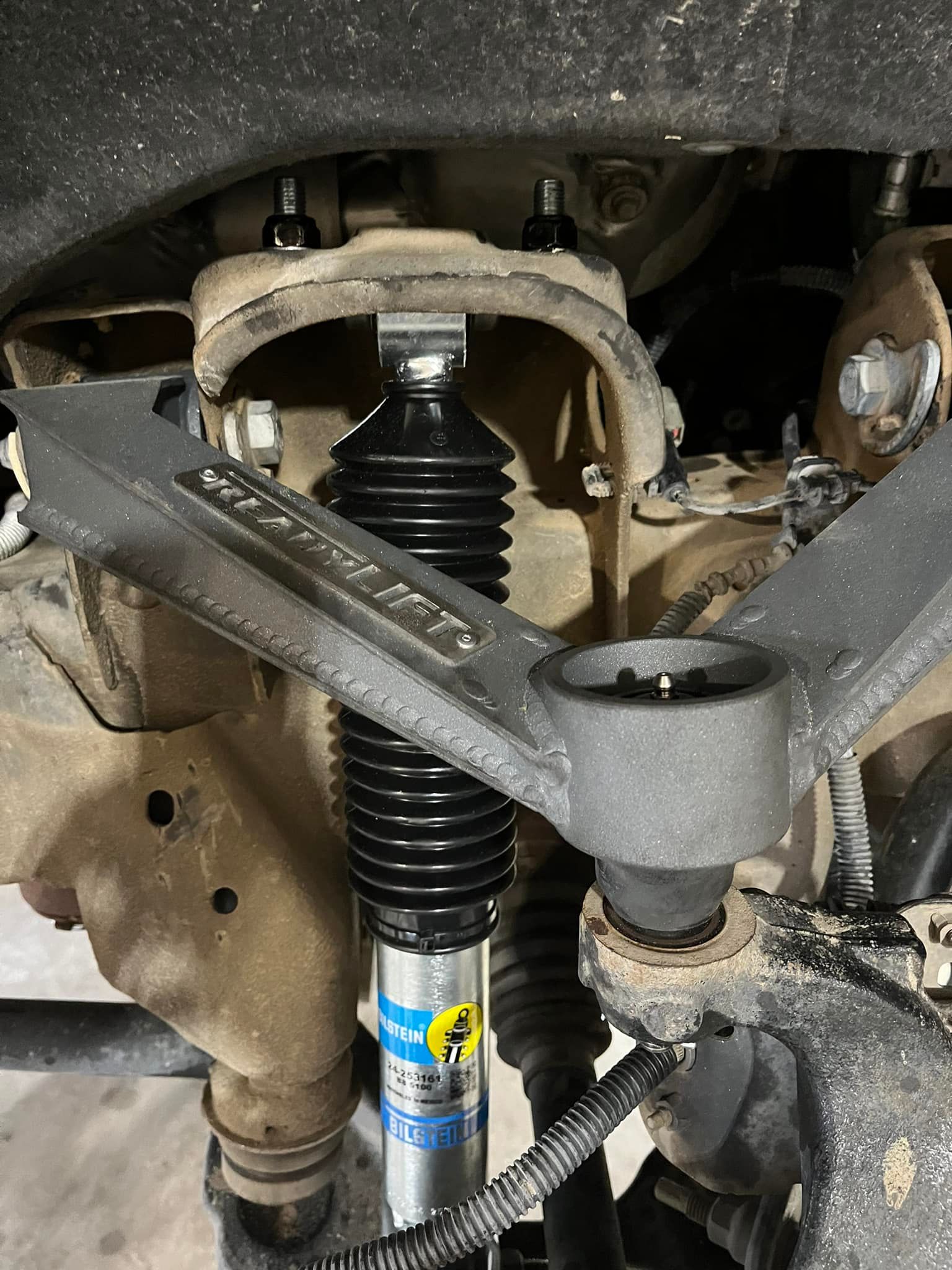
Bulldog Tire LLC handles suspension and steering repair for trucks and vehicles that spend time on Southeast Texas rural roads, farm lanes, and unpaved surfaces where damage accumulates faster than on maintained highways. When your steering wheel vibrates, your vehicle drifts without input, or your tires wear down on one edge long before the rest of the tread, the issue usually traces back to worn ball joints, tie rod ends, or strut assemblies that no longer hold alignment under load. These repairs restore predictable handling and prevent the kind of tire replacement costs that come from letting alignment issues persist.
Suspension and steering systems absorb the forces from potholes, gravel roads, and uneven terrain while keeping your wheels pointed in the intended direction. Components like control arms, bushings, and steering linkages wear gradually, then fail suddenly when metal-to-metal contact replaces the cushioning that rubber or hydraulic damping once provided. Uneven tire wear—inside edge scuffing or feathering across the tread—signals that camber or toe settings have shifted beyond specification, often because a mount or joint has developed excessive play.
Schedule an inspection if your vehicle requires constant steering correction or if you notice handling changes after hitting a deep rut or road debris.
What Suspension and Steering Repairs Actually Fix
Repair work begins with identifying which specific components have failed or exceeded wear tolerances, since suspension systems include multiple pivot points and load-bearing joints that degrade at different rates depending on how and where you drive. A technician checks for play in ball joints by lifting the vehicle and applying leverage to each wheel assembly, measuring movement that shouldn't exist when parts are functioning correctly. Tie rod ends are tested similarly, and struts or shocks are evaluated for fluid leaks and rebound response.
After Bulldog Tire LLC replaces worn components, your steering wheel centers itself when you let go on a flat road instead of requiring constant correction, and your vehicle no longer bounces excessively after hitting a bump or dip. Tire contact patches stay even across the tread width because camber and toe angles hold steady under cornering and braking forces. You'll also notice that the steering effort feels consistent rather than loose in some directions and tight in others, a sign that all linkage points are secure and properly torqued.
Alignment adjustments follow component replacement to bring caster, camber, and toe back within manufacturer specifications, but alignment alone won't correct handling problems if the underlying hardware is worn beyond service limits. Addressing both the failed parts and the geometry they support prevents recurring issues and extends the life of your next set of tires.
Questions About Suspension and Steering Work
Drivers in Cleveland often ask about repair timelines, component lifespan, and how to recognize early warning signs before a failure leaves them stranded.
What causes suspension components to fail faster on trucks used for ranch or farm work?
Repeated loading and unloading cycles stress joints and bushings beyond what they experience in highway-only use, and gravel or dirt roads introduce constant lateral forces that accelerate wear on tie rod ends and ball joints where dust boots can tear and allow contamination.
How do you know when a strut or shock absorber needs replacement?
Visible fluid leaks around the shock body indicate seal failure, but you'll also notice that the vehicle continues bouncing more than once after hitting a bump, a sign that the damping force has degraded and can no longer control spring oscillation.
Why does uneven tire wear show up even after recent alignment?
Alignment settings drift out of specification when worn suspension components shift under load, so correcting the angles without replacing failed ball joints or control arm bushings only provides temporary improvement until the loose hardware allows movement again.
When should suspension repairs happen relative to tire replacement?
Replace worn suspension and steering components before installing new tires so that proper alignment can be maintained from the start, preventing accelerated wear on fresh tread that would otherwise match the uneven pattern created by misalignment.
What parts typically need replacement together rather than individually?
Tie rod ends and ball joints often wear at similar rates on the same axle, and replacing only one side can leave the vehicle pulling or drifting because the new component has tighter tolerances than the worn part on the opposite side.
Bulldog Tire LLC inspects suspension and steering systems on work trucks and daily drivers throughout Southeast Texas, identifying specific components that need replacement before they fail completely. Call (832) 599-9926 to arrange an evaluation based on your vehicle's current handling behavior and usage patterns.