Traction Built for How You Drive
Tire Sales and Installation in Cleveland for vehicles needing improved wet-road grip, off-road capability, or heavy-load performance
Selecting tires based on whether your vehicle spends most of its time on highway pavement, mud-covered ranch roads, or hauling equipment changes which tread patterns and rubber compounds will actually perform. Bulldog Tire LLC stocks tires for passenger cars, work trucks, and fleet vehicles operating across Southeast Texas, where summer heat degrades tread life faster than in cooler climates and sudden rainstorms demand siping that channels water away from the contact patch. You'll notice the difference in how quickly your vehicle responds to steering input and how much distance it requires to stop once the right tire matches your typical driving conditions.
Installation involves more than mounting rubber on a wheel—each tire gets balanced to eliminate vibration at highway speeds, and valve stems are replaced to prevent slow leaks that develop when old rubber cracks from heat exposure. Torque specifications for lug nuts vary by vehicle, and over-tightening warps brake rotors while under-tightening allows wheels to loosen over time, so calibrated tools are used rather than impact wrenches set to maximum.
Request a tire consultation to match tread design and load rating to your specific vehicle use and typical road surfaces.
Why Tire Selection Affects More Than Tread Life
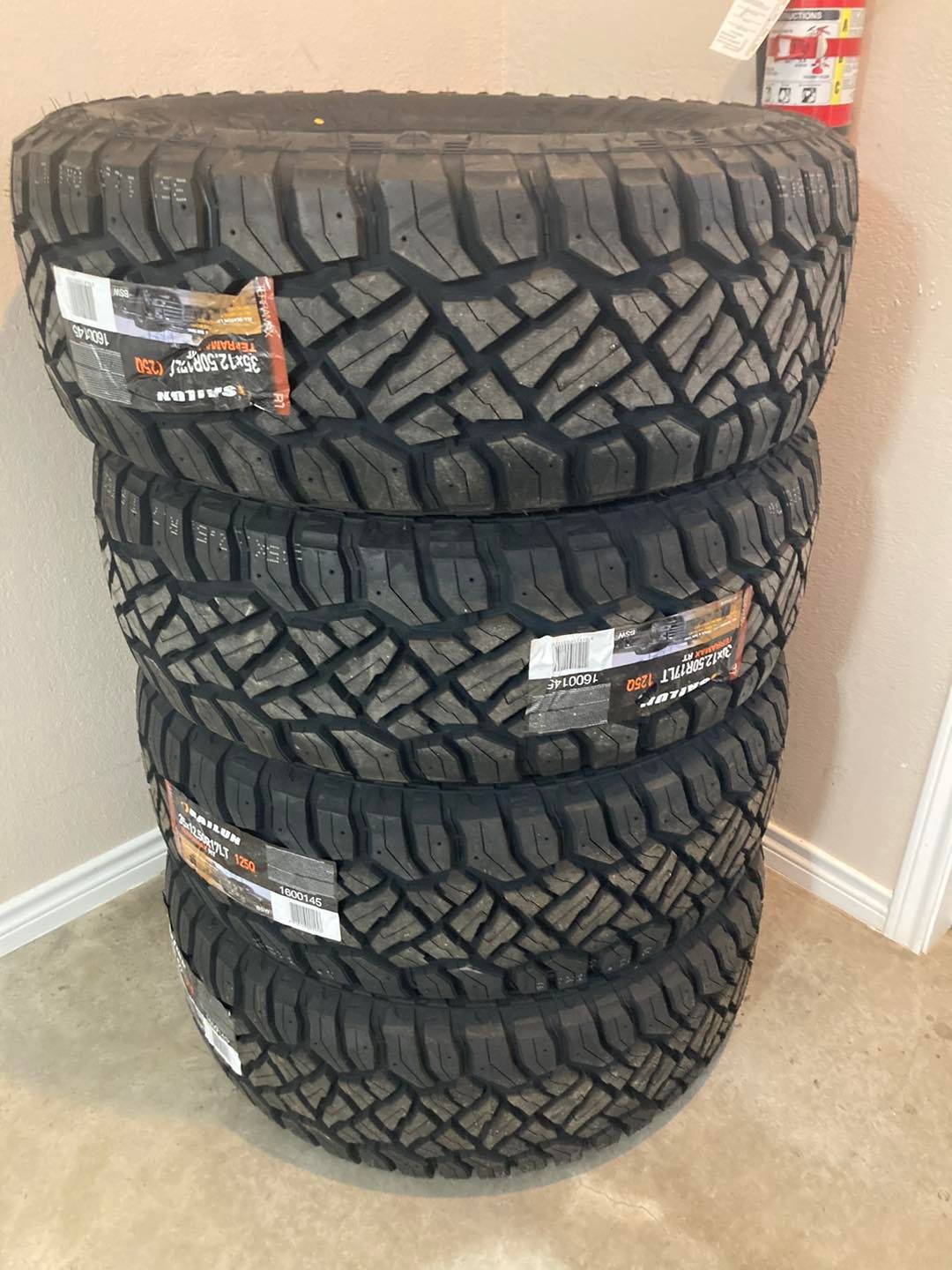
Tread pattern determines how well a tire evacuates water, grips loose surfaces, and resists chunking when rocks or debris impact the rubber. Highway tires use shallow grooves and solid shoulder blocks for even wear and low rolling resistance, which improves fuel efficiency but offers almost no traction once pavement ends. All-terrain designs incorporate deeper voids and reinforced sidewalls that handle gravel and mud without tearing, though they generate more road noise and wear faster on asphalt due to increased tread flex.
Once new tires are installed and balanced, your vehicle tracks straight without pulling to either side, assuming suspension and alignment are within specification, and you'll feel reduced vibration through the steering wheel at speeds above fifty miles per hour. Wet-road braking distances shorten because fresh siping creates edges that bite into water films instead of hydroplaning across the surface. Load range ratings ensure that tire sidewalls don't flex excessively when hauling equipment or towing trailers, maintaining stability under conditions that would cause standard passenger tires to overheat and fail.
Tire rotation schedules depend on whether your vehicle is front-wheel drive, rear-wheel drive, or four-wheel drive, since weight distribution and power delivery affect which positions wear fastest. Rotating every five thousand miles extends overall tread life by averaging wear across all four corners, preventing the need to replace only two tires and risk traction imbalances.
Common Questions About Tire Selection and Service
Customers in Cleveland frequently ask about matching tire types to specific uses and understanding when replacement becomes necessary rather than optional.
What determines whether a truck needs load range D or E tires?
Load range indicates how much air pressure the tire can safely hold and how much weight it can support, with range E tires rated for heavier loads and higher pressures needed for towing or hauling gravel, though they also deliver a harsher ride when the truck runs empty.
How does Southeast Texas heat affect tire lifespan?
Prolonged exposure to temperatures above ninety-five degrees accelerates rubber degradation and can reduce tread life by fifteen to twenty percent compared to cooler regions, especially when tires are underinflated and generate additional heat from sidewall flexing.
When should all four tires be replaced even if only two are worn?
All-wheel-drive vehicles require tires with tread depths within two-thirty-seconds of an inch across all positions to prevent drivetrain binding, since mismatched diameters force components to rotate at different speeds and wear transfer case bearings prematurely.
Why does tire balance matter more at highway speeds than in town?
Imbalanced tires create vibration that increases with rotational speed, remaining barely noticeable at thirty miles per hour but becoming severe enough to cause steering wheel shake and uneven tread wear once speeds exceed sixty.
What's included in professional tire installation versus mounting alone?
Installation includes mounting, balancing, new valve stems, torque-specified lug nut tightening, and disposal of old tires, while mounting only places the tire on the wheel without balancing or hardware replacement.
Bulldog Tire LLC provides tire sales and installation for passenger vehicles and commercial trucks operating throughout Southeast Texas. Call (832) 599-9926 to discuss tread options based on your typical driving surfaces and load requirements.